
Basil Hayden’s: The Bourbon That Turned Smoothness Into an Art Form
There’s a certain kind of bourbon that doesn’t kick the saloon doors open — it glides in quietly, impeccably dressed, and somehow steals the entire evening. That bourbon is Basil Hayden's.
For many whiskey drinkers, Basil Hayden’s is the gateway into premium bourbon. But dismissing it as merely “beginner friendly” misses the point entirely. This Kentucky classic has spent decades refining a softer, spicier, more elegant side of bourbon — one that values balance over brute force and nuance over noise.
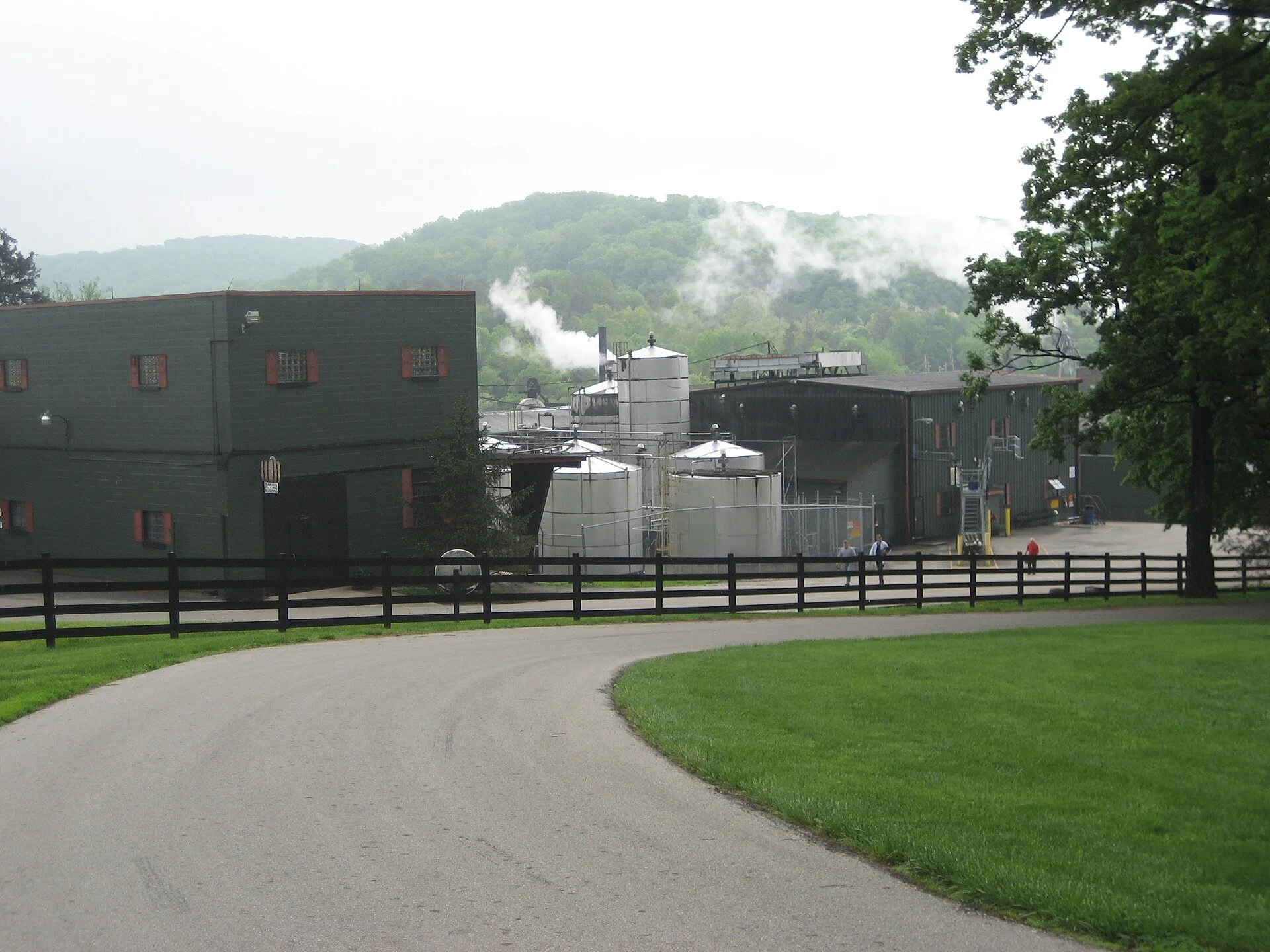
Produced by the legendary James B. Beam Distilling Co. in Clermont, Kentucky, Basil Hayden’s sits proudly within the famed Jim Beam Small Batch Collection alongside Booker’s, Knob Creek, and Baker’s. The collection was launched in the early 1990s under the guidance of Booker Noe, one of bourbon’s most influential modern figures.
A Bourbon Named After a Bourbon Pioneer
The whiskey takes its name from Meredith Basil Hayden Sr., an 18th-century distiller who reportedly brought a higher-rye style of whiskey-making from Maryland into Kentucky. That high-rye influence still defines the whiskey today.
Unlike many traditional bourbons that lean heavily into caramel sweetness, Basil Hayden’s introduces a lively spice character thanks to its rye-heavy mash bill. The result is a bourbon that feels brighter, drier, and more refined than many of its competitors.
And perhaps most famously — or controversially among hardcore whiskey fans — it’s bottled at just 80 proof.
But here’s the thing: that lower proof is entirely intentional.
Basil Hayden’s isn’t trying to overwhelm you with oak, ethanol, or barrel char. It’s built for easy sipping, conversation, and long evenings where the glass somehow keeps finding its way back into your hand.
The Taste: Delicate, Peppery, Dangerously Drinkable
Pour a glass and the first thing you notice is the aroma: soft vanilla, cracked pepper, light caramel, and a touch of honeyed oak. There’s a brightness to it that almost feels refreshing.
The palate follows through with gentle rye spice, toasted oak, cinnamon, and a subtle sweetness that never becomes cloying. Enthusiasts on whiskey forums often describe it as one of the smoothest entry points into bourbon, especially for drinkers transitioning from Scotch or Irish whiskey.
The finish is shorter than powerhouse bourbons like Booker’s or barrel-proof monsters from other distilleries, but that’s part of the charm. Basil Hayden’s doesn’t linger aggressively — it invites another sip instead.
And honestly? It excels in exactly the situations many bourbon snobs pretend don’t matter: dinner parties, relaxed pours with friends, and beautifully made Old Fashioneds.
A Stylish Bourbon for the Modern Era
Part of Basil Hayden’s success comes down to presentation. The bottle itself — wrapped with its distinctive belt-style metal band — looks unlike almost anything else on the bourbon shelf.
It feels modern without abandoning tradition.
Over the years, the brand has expanded into expressions like Dark Rye, Toast, Subtle Smoke, and a well-regarded 10 Year Bourbon release.
Yet the original remains the flagship: approachable, spicy, polished, and endlessly easy to recommend.
The Distillery Behind the Bourbon
Behind Basil Hayden’s stands one of the most important names in American whiskey history: the James B. Beam Distilling Company in Clermont, Kentucky. The Beam family’s whiskey legacy stretches back to 1795, making it one of bourbon’s oldest dynasties.
Today, the distillery remains a pilgrimage site for bourbon lovers from around the world, producing not just Basil Hayden’s, but also Knob Creek, Booker’s, Baker’s, and the iconic Jim Beam range itself.
Even in today’s booming whiskey culture — where cask strength, allocated bottles, and hype releases dominate conversation — Basil Hayden’s continues to thrive by doing something surprisingly rare:
Keeping bourbon approachable.
And that may be its greatest achievement of all.