
The Bourbon with the Red Wax Crown: Why Maker’s Mark Still Owns the Conversation
There are bourbons you drink, and then there are bourbons you remember.
Maker's Mark belongs firmly in the second category.
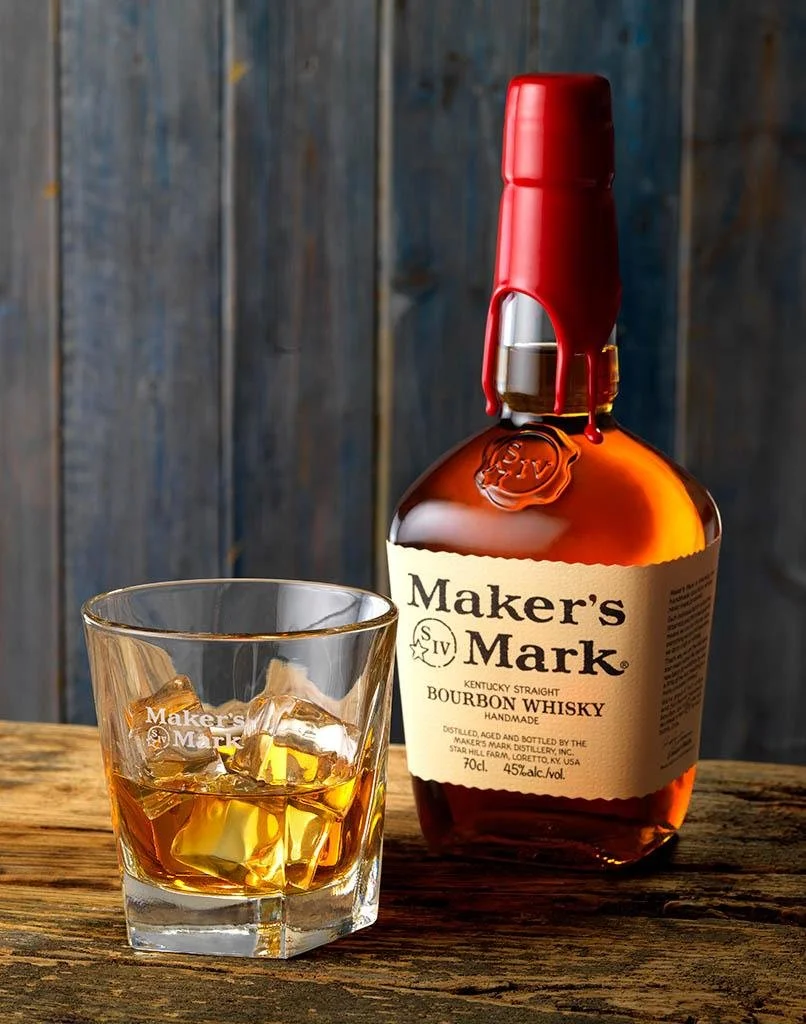
Even people who know almost nothing about whiskey can spot that unmistakable hand-dipped red wax seal from across a room. It’s one of the most iconic designs in the spirits world — and unlike plenty of heritage brands trading on nostalgia alone, Maker’s Mark actually backs up the image with substance.
Created in the 1950s by Bill Samuels Sr. in Loretto, Maker’s Mark was designed to be different from the sharper, spice-heavy bourbons dominating shelves at the time. Instead of rye, the distillery used soft red winter wheat in the mash bill, giving the whiskey its famously smooth and rounded profile. That decision would help define the modern “wheated bourbon” style.
A Bourbon Built to Be Softer — But Never Boring
At 90 proof (45% ABV), Maker’s Mark sits in an interesting sweet spot. It has enough body to feel rich and warming, but it never becomes aggressive or overly oaky.
On the nose, expect vanilla, caramel, toasted oak, and soft baking spice. The palate leans creamy and sweet, with honeyed cereal notes, brown sugar, orchard fruit, and a gentle cinnamon warmth that lingers just long enough. Maker’s Mark itself describes the finish as “smooth and creamy with a pleasant soft spice.”
For many whiskey drinkers, this is the bottle that opened the door to bourbon in the first place.
And honestly? That reputation is deserved.
The Red Wax That Changed Bourbon Marketing Forever
The wax seal is more than packaging — it’s bourbon folklore.
According to the brand’s history, Margie Samuels, wife of founder Bill Samuels Sr., designed much of Maker’s Mark’s visual identity herself, including the now-famous dripping red wax top. Every bottle is still dipped by hand at the distillery in Kentucky.
It sounds simple now, but in the late 1950s it was revolutionary. Bourbon wasn’t positioned as luxury. Scotch owned that territory. Maker’s Mark changed the conversation by presenting bourbon as handcrafted, premium, and worthy of sipping slowly.
Many whiskey historians and bourbon enthusiasts point to Maker’s Mark as one of the early brands that helped ignite bourbon’s modern premium renaissance.
Star Hill Farm: One of Kentucky’s Most Beautiful Distilleries
The distillery itself is every bit as atmospheric as the whiskey.
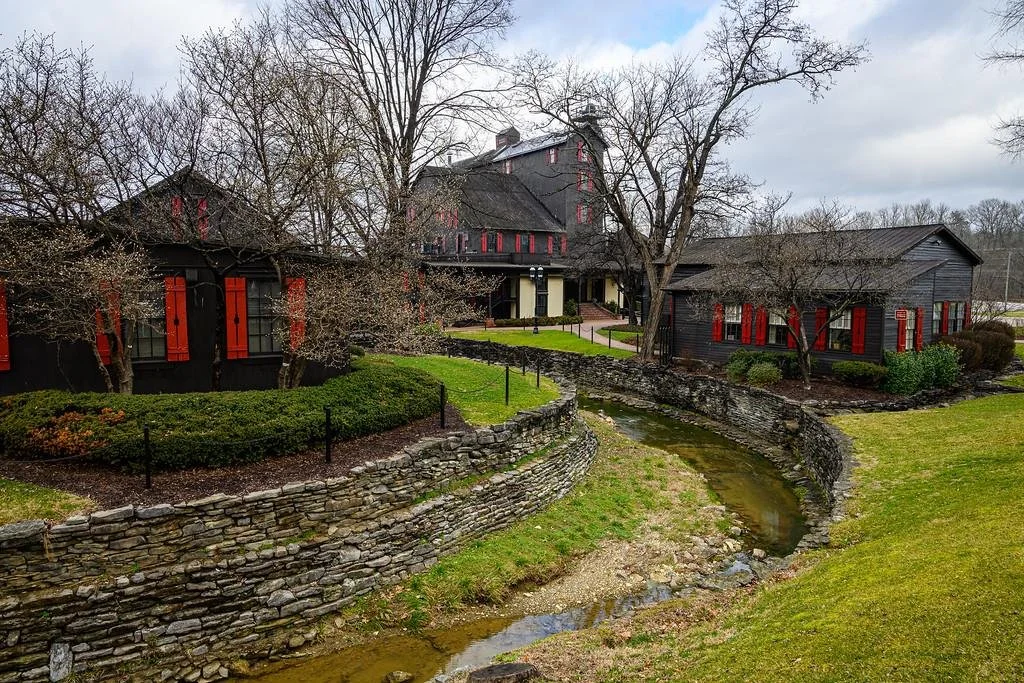
Maker's Mark Distillery sits on the grounds of Star Hill Farm in rural Kentucky, surrounded by rolling countryside, black rickhouses, and those signature red shutters that seem pulled from a Southern Gothic postcard.
The site has become one of the crown jewels of the Kentucky Bourbon Trail, with tours that walk visitors through fermentation, distillation, barrel aging, and of course the famous wax-dipping experience.
More Than a Classic Bottle
For decades, Maker’s Mark was famously focused on a single core bourbon expression. But over the last fifteen years, the brand has expanded carefully and intelligently.
Expressions like Maker’s Mark 46, Cask Strength, and the Wood Finishing Series have earned serious respect among enthusiasts, proving the distillery can innovate without losing its identity.
The distillery has also become increasingly associated with sustainability and regenerative agriculture through projects tied to Star Hill Farm. In recent years, Maker’s Mark even released its first non-bourbon whiskey in more than 70 years — a wheat whisky connected directly to those farming initiatives.
That willingness to evolve while staying unmistakably “Maker’s” is a big reason the brand still feels relevant today.
Final Pour
Some whiskey brands survive because of marketing.
Some survive because of tradition.
Maker’s Mark survives because it genuinely delivers both.
It remains one of the most approachable premium bourbons on the market: smooth without being bland, distinctive without becoming difficult, and iconic without feeling manufactured.
Whether you’re pouring it neat beside a fire, building an Old Fashioned, or introducing someone to bourbon for the very first time, Maker’s Mark still feels like the bottle that says: welcome to whiskey.
For a spirit first released in 1958, that’s an impressive trick.