
Rock Oyster: A Dram That Bottled the Wild Scottish Seas
Few whiskies capture a sense of place quite as vividly as Rock Oyster. Long before it was rebranded as Rock Island in 2019, this distinctive blended malt from Douglas Laing earned a loyal following among whisky enthusiasts who craved something unmistakably maritime. Inspired by Scotland's rugged islands and the elemental forces that shape them, Rock Oyster is a whisky that feels less like a drink and more like a journey along wave-battered coastlines.
An Island-Hopping Adventure in a Glass
First released in 2015 by independent bottler Douglas Laing, Rock Oyster was created as part of the company's acclaimed "Remarkable Regional Malts" collection. Rather than focusing on a single distillery, it brings together single malt whiskies from some of Scotland's most celebrated whisky-producing islands, including Arran, Jura, Islay and Orkney. The result is a carefully crafted blended malt designed to showcase the character of Scotland's island whiskies. Bottled at 46.8% ABV, it is presented without chill filtration and without added colouring, allowing the whisky's natural character to shine through.
The concept was brilliantly simple: take the best attributes of the islands and unite them in one bottle. The peaty influence of Islay, the honeyed notes often associated with Orkney, the fruity elegance of Arran, and the distinctive coastal character of Jura all play their part in creating a whisky that feels authentically maritime.
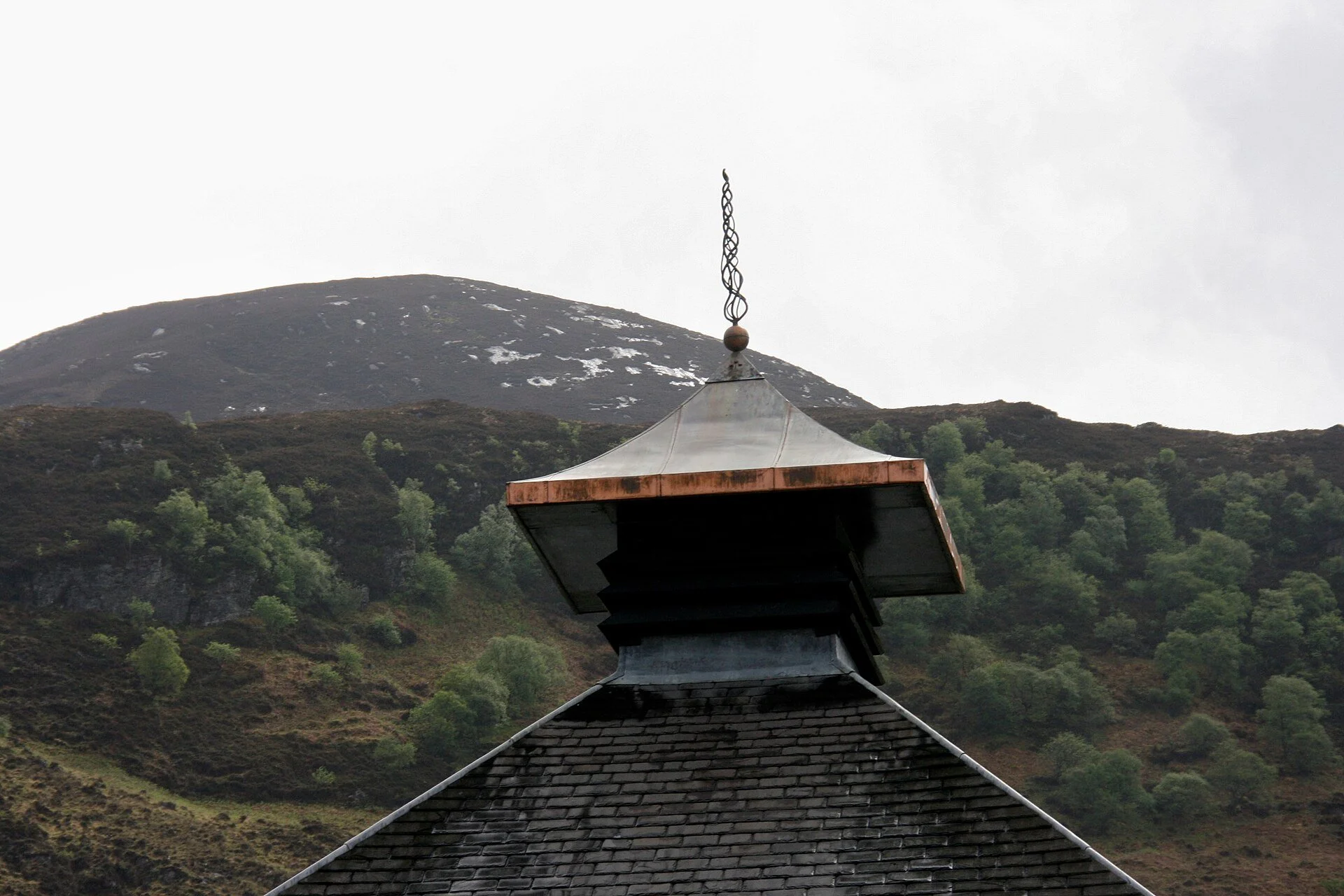
Photo by Mike Peel, licensed under CC BY-SA 4.0.
Nose First: The Sea Beckons
Pour a dram and the coastal influence is immediately apparent. The aroma opens with salty sea air, damp rocks and a gentle whiff of beach bonfire smoke. Beneath the maritime notes lie layers of honey, vanilla, fresh orchard fruits and cracked black pepper.
It's the kind of whisky that instantly transports you. Close your eyes and you can almost hear gulls overhead and waves crashing against a rocky shoreline somewhere off Scotland's west coast.
A Palate Built on Coastal Character
The palate continues the journey. Sweet malt and honey arrive first, quickly followed by sea salt, peppery spice and a subtle but persistent peat smoke. Unlike some heavily peated island malts, the smoke here plays a supporting role rather than dominating the experience.
What makes Rock Oyster particularly enjoyable is the balance. The briny coastal notes never overwhelm the sweeter elements, and the whisky manages to combine freshness, smoke and richness in a way that feels remarkably natural. The finish lingers with warming spice, gentle ash and a final reminder of the sea.
Why Enthusiasts Still Talk About It
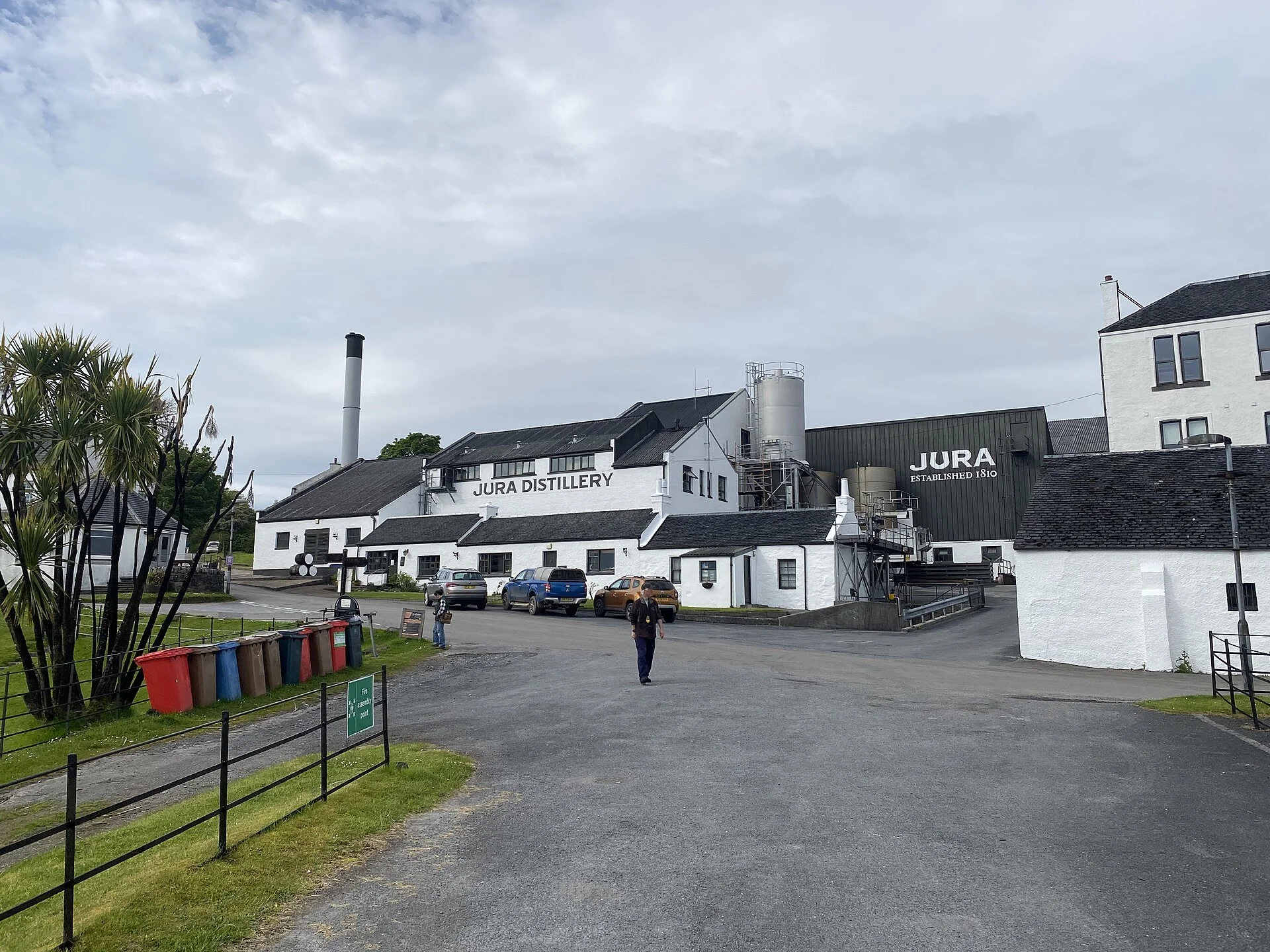
Photo by thejackrustles via Geograph, licensed under Creative Commons.
Although the name changed to Rock Island in 2019, largely because some international markets found the oyster reference confusing, the whisky itself remains fundamentally the same. Fans of the original bottling continue to praise its ability to deliver a genuine island whisky experience without requiring a trip across multiple ferry routes.
Among whisky enthusiasts, Rock Oyster has often been described as one of the most successful expressions in Douglas Laing's regional malt series. Its coastal personality, approachable peat influence and natural presentation make it equally appealing to seasoned whisky drinkers and those beginning to explore the world of island malts.
Final Thoughts
Rock Oyster may no longer appear on labels, but its spirit lives on. This is a whisky that celebrates everything whisky lovers admire about Scotland's islands: the sea spray, the windswept landscapes, the subtle peat smoke and the rugged beauty of remote distilleries.
Whether you remember it under its original name or know it today as Rock Island, one thing remains unchanged. This is a dram that proudly wears its maritime heritage on its sleeve, delivering a taste of Scotland's wild coastline with every sip.
For anyone seeking a whisky that genuinely captures the essence of the islands, Rock Oyster remains a memorable voyage worth taking.